
If you are researching how to repair scratches on furniture, you probably want a practical way to make small marks less visible without replacing the piece. This guide explains when a DIY touch-up makes sense, how to choose the right type of repair product, and where SEISSO wood repair options can fit into the process.
Quick Summary
For most minor wood furniture scratches, start by cleaning the surface, choosing the closest color match, testing in a hidden area, filling or coloring the scratch, then gently blending the repair into the surrounding finish. Deep gouges, peeling veneer, loose joints, or structural damage may need professional repair.
How to Approach Furniture Scratch Repair
- Clean the scratched area so dust, wax, or oils do not interfere with the repair.
- Check whether the scratch is only in the finish or has cut into the wood.
- Choose a marker, filler stick, wax, putty, or repair kit based on the depth and color of the damage.
- Test the color in a hidden spot before applying it to a visible surface.
- Apply lightly, build coverage slowly, and blend the repair instead of overfilling the area.
For general long-term care, the Canadian Conservation Institute's guidance on basic care for furniture and wooden objects is a useful reference before you decide whether a mark needs a simple touch-up or more careful conservation work.
Recommended Options to Compare
- SEISSO Furniture Repair Kit with Touch-Up Markers and Wood Fillers: compare this option when you need a product for wood touch-ups, scratch coverage, filler, or color matching. Use the product page as the source of truth for included colors, tools, and application details.
- SEISSO Wood Polish Wax for Furniture and Floors: compare this option when you need a product for wood touch-ups, scratch coverage, filler, or color matching. Use the product page as the source of truth for included colors, tools, and application details.
- DEWEL Wood Furniture Repair Kit for Scratches and Stains: compare this option when you need a product for wood touch-ups, scratch coverage, filler, or color matching. Use the product page as the source of truth for included colors, tools, and application details.
- DEWEL Wood Furniture Repair Kit with Fillers, Markers, and Wax Sticks: compare this option when you need a product for wood touch-ups, scratch coverage, filler, or color matching. Use the product page as the source of truth for included colors, tools, and application details.
- SEISSO Furniture Repair Crayons and Wood Filler Sticks: compare this option when you need a product for wood touch-ups, scratch coverage, filler, or color matching. Use the product page as the source of truth for included colors, tools, and application details.
- SEISSO Wood Filler Sticks for Furniture Repair: compare this option when you need a product for wood touch-ups, scratch coverage, filler, or color matching. Use the product page as the source of truth for included colors, tools, and application details.
How to Choose the Right Repair Product
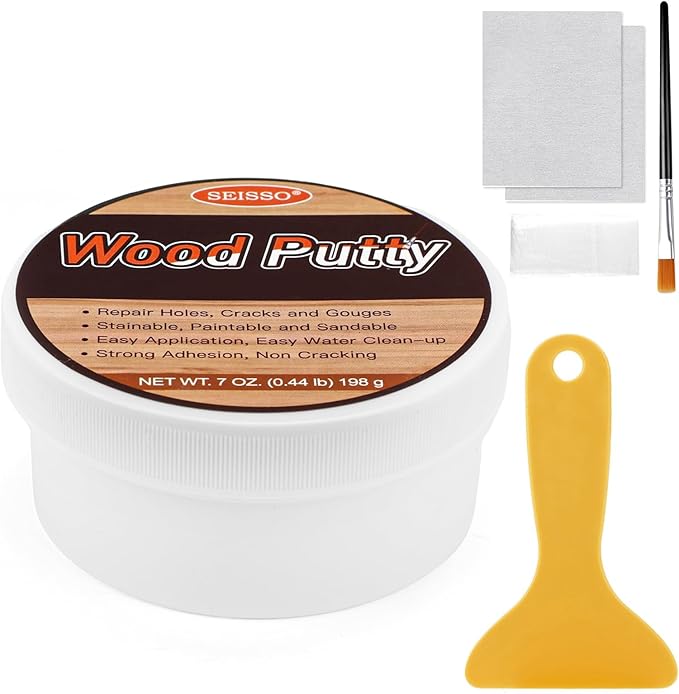
Match the product to the scratch first. A shallow surface mark may only need a touch-up marker or polish, while a deeper groove may need a wax filler stick, putty, or a more complete furniture repair kit. Color match matters more than speed: test first, use a light hand, and blend slowly.
If a repair involves sanding, scraping, or creating fine wood dust, review basic wood dust precautions from the Canadian Centre for Occupational Health and Safety and work in a well-ventilated area with appropriate protection.
Related Collections
Related Articles
- How to Fix Scratches on Wood Furniture: Easy DIY Repair Guide (2026)
- How to Fix Scratches on Wood Furniture at Home (Easy DIY Guide)
- How to Easily Fix Furniture Scratches with a Wood Repair Kit?
- Wood Furniture Color Matching Guide: How to Restore Any Finish Like a Pro
- How to Use Wood Filler Sticks for Easy Furniture Repair at Home
FAQ
Can I repair furniture scratches myself?
Yes, many light scratches and small scuffs can be improved at home with a touch-up marker, filler stick, wax, or wood repair kit. The key is to clean the surface, test the color first, and apply the product gradually.
What type of product works best for wood scratches?
It depends on the damage. Markers can help with light color loss, wax filler sticks can help with shallow grooves, and putty or multi-piece kits may be better for deeper scratches, cracks, or small holes.
When should I call a professional instead of using a repair kit?
Consider professional repair if the furniture has structural damage, peeling veneer, a large gouge, antique value, or a finish that you are not comfortable testing. DIY products are best for practical touch-ups, not major restoration work.
Final Takeaway
Repairing scratches on furniture is easier when you identify the scratch depth, test the color, and choose a repair product that matches the job. Start small, blend carefully, and use SEISSO product and collection pages to compare the tools that best fit your repair needs.