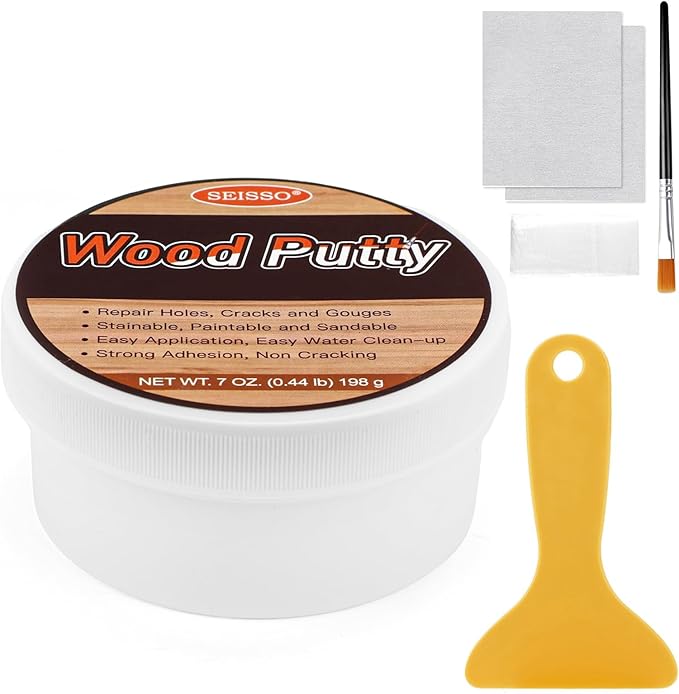

Möbel gehören zu den größten Investitionen in jedem Haushalt. Ob es ein schöner Esstisch aus Holz, ein Hartholzschrank, ein Ledersofa oder Ihr Lieblingsbürostuhl ist, der tägliche Gebrauch führt unweigerlich zu Kratzern, Dellen, Rissen, Ausbleichen und anderen Abnutzungserscheinungen.
Viele Hausbesitzer gehen davon aus, dass beschädigte Möbel eine teure professionelle Restaurierung oder einen vollständigen Austausch erfordern. Glücklicherweise ermöglichen moderne Möbelreparatursets die Restaurierung von Holz- und Lederoberflächen zu Hause mit beeindruckenden Ergebnissen. Heutige Reparaturlösungen sind darauf ausgelegt, Kratzer zu reparieren, Risse zu füllen, Farben wiederherzustellen und die Lebensdauer von Möbeln zu verlängern, ohne dass professionelle Erfahrung erforderlich ist.
In diesem Leitfaden erfahren Sie, wie Sie häufige Möbelschäden reparieren, die richtigen Reparaturmethoden auswählen und Ihre Möbel jahrelang schön erhalten.
Warum Möbel mit der Zeit beschädigt werden
Möbel sind im täglichen Leben einer ständigen Abnutzung ausgesetzt. Häufige Ursachen sind:
Tierkratzer
Katzen und Hunde hinterlassen oft Krallenspuren auf Ledersofas, Holztischen, Stühlen und Schränken.
Möbel umstellen
Das Verschieben von Möbeln über den Boden kann Kratzer und Schrammen auf Hartholz- und Laminatoberflächen hinterlassen.
Tägliche Abnutzung
Wiederholter Gebrauch führt allmählich zu Verblassen, Verfärbungen und Oberflächenschäden.
Versehentlicher Aufprall
Heruntergefallene Gegenstände und scharfe Gegenstände können Dellen, Risse und Absplitterungen verursachen.
Sonneneinstrahlung
UV-Strahlen können Holzoberflächen und Lederpolster im Laufe der Zeit ausbleichen.
Häufige Möbelprobleme, die Sie selbst beheben können
Die gute Nachricht ist, dass viele Möbelprobleme zu Hause behoben werden können.
Kratzer auf Holzoberflächen
Leichte und mittlere Kratzer gehören zu den häufigsten Möbelfehlern. Diese betreffen typischerweise die Lackschicht und können oft mit farblich passenden Reparaturmassen kaschiert werden.
Risse und kleine Löcher
Holz dehnt sich aufgrund von Feuchtigkeitsschwankungen auf natürliche Weise aus und zieht sich zusammen, was zu Rissen und Spalten führen kann.
Lederkratzer
Ledersofas, -stühle und -autositzbezüge weisen häufig Kratzer auf, die durch Haustiere, Schlüssel und den täglichen Gebrauch verursacht werden.
Verblassen und Farbverlust
Leder- und Holzoberflächen können im Laufe der Zeit an Farbe verlieren, wodurch Möbel alt und abgenutzt aussehen.
Abblätterungen und Oberflächenschäden
Kunstleder- und Vinyloberflächen können nach jahrelangem Gebrauch abblättern oder reißen. Moderne Reparaturmassen und Auffrischungsbalsame können helfen, das Aussehen wiederherzustellen und die Lebensdauer des Produkts zu verlängern.
Warum ein Möbelreparaturset wählen?
Reparatursets sind immer beliebter geworden, da sie mehrere Vorteile gegenüber einem Austausch bieten.
Geld sparen
Der Austausch von Möbeln kann Hunderte oder sogar Tausende von Dollar kosten.
Das Reparieren von Kratzern, Rissen und Verfärbungen kostet typischerweise nur einen Bruchteil der Austauschkosten.
Schnelle DIY-Reparaturen
Die meisten Reparaturen können in weniger als einer Stunde abgeschlossen werden, was sie ideal für vielbeschäftigte Hausbesitzer macht.
Professionell aussehende Ergebnisse
Moderne Reparatursets verwenden fortschrittliche Füllstoffe, Farbauffrischer und Ausbesserungsmittel, die sich natürlich in bestehende Oberflächen einfügen.
Für verschiedene Materialien geeignet
Viele Reparatursets können verwendet werden für:
- Holzmöbel
- Hartholzböden
- Schränke
- Ledersofas
- Bürostühle
- Autositze
- Handtaschen
- Schuhe
- Jacken
Diese Vielseitigkeit macht sie zu einer wertvollen Ergänzung für jedes Werkzeugset für die Heimpflege.
So reparieren Sie Kratzer an Holzmöbeln
Schritt 1: Oberfläche reinigen
Entfernen Sie Staub, Schmutz und Öle, bevor Sie mit der Reparatur beginnen.
Eine saubere Oberfläche hilft Reparaturmassen, richtig zu haften.
Schritt 2: Farbe anpassen
Wählen Sie eine Reparaturfarbe, die dem Originalmöbellack sehr nahe kommt.
Viele Möbelreparatursets enthalten mehrere Farben, die für individuelle Ergebnisse gemischt werden können.
Schritt 3: Kratzer und Risse füllen
Reparaturfüller direkt auf beschädigte Stellen auftragen.
Verwenden Sie einen Spachtel oder Applikator, um die Reparatur zu glätten.
Schritt 4: Verblenden und Abschließen
Überschüssigen Füller entfernen und die reparierte Stelle mit der umgebenden Holzmaserung verblenden.
Die Reparatur vor Gebrauch vollständig trocknen lassen.
So reparieren Sie Ledermöbel
Ledermöbel erfordern eine etwas andere Herangehensweise.
Schritt 1: Leder reinigen
Verwenden Sie ein weiches Tuch, um Schmutz und Öle zu entfernen.
Schritt 2: Beschädigte Stellen füllen
Lederreparaturfüller auf Kratzer, Risse oder abblätternde Stellen auftragen.
Den Füller gemäß den Anweisungen aushärten lassen.
Schritt 3: Farbe wiederherstellen
Verwenden Sie Leder-Auffrischungsbalsam oder Reparaturcreme, um verblasste oder beschädigte Stellen wiederherzustellen.
Moderne Reparatursets ermöglichen oft das Mischen von Farben für eine bessere Anpassung.
Schritt 4: Oberfläche pflegen
Das Auftragen von Lederpflegemittel oder Nerzöl kann dazu beitragen, die Flexibilität und den Glanz wiederherzustellen und zukünftiges Reißen zu verhindern.
Beste Möbelarten für DIY-Reparaturen
Möbelreparatursets eignen sich besonders gut für:
Holztische
Reparieren Sie Kratzer, die durch Geschirr, Laptops und den täglichen Gebrauch verursacht wurden.
Schränke
Restaurieren Sie Küchen- und Badezimmerschränke, ohne Türen auszutauschen.
Hartholzböden
Kaschieren Sie Kratzer, Dellen und Gebrauchsspuren.
Ledersofas
Reparieren Sie Tierkratzer, Risse und Verblassen.
Bürostühle
Restaurieren Sie abgenutzte Armlehnen und Sitzflächen.
Autositze
Reparieren Sie Kratzer und stellen Sie die Farbe gealterter Innenräume wieder her.
Merkmale, auf die Sie bei einem Möbelreparaturset achten sollten
Bei der Auswahl einer Reparaturlösung sollten Sie diese wichtigen Faktoren berücksichtigen:
Mehrere Farben
Eine größere Farbauswahl ermöglicht eine bessere Anpassung und natürlichere Reparaturen.
Einfache Anwendung
Suchen Sie nach anfängerfreundlichen Sets, die Applikatoren und Anleitungen enthalten.
Starke Haftung
Reparaturmassen sollten fest mit der beschädigten Oberfläche verbunden sein.
Schnell trocknende Formel
Schnell trocknende Reparaturen reduzieren Ausfallzeiten und erhöhen den Komfort.
Multi-Oberflächen-Kompatibilität
Die besten Sets können sowohl Holz als auch Leder reparieren und bieten so eine größere Vielseitigkeit im Haushalt.
Warum Hausbesitzer SEISSO Möbelreparatursets wählen
SEISSO Reparaturlösungen wurden für Hausbesitzer entwickelt, die professionell aussehende Ergebnisse ohne professionelle Kosten wünschen.
Zu den Hauptvorteilen gehören:
✔ Repariert Holz- und Lederoberflächen
✔ Verdeckt Kratzer, Risse, Dellen und Löcher
✔ Geeignet für Möbel, Böden, Sofas, Stühle und Autointerieurs
✔ DIY-freundliche Anwendung
✔ Farbanpassungsfähigkeit
✔ Schnell trocknend und langlebige Ergebnisse
✔ Kostengünstige Alternative zum Austausch
✔ Hilft, die Lebensdauer von Möbeln erheblich zu verlängern
Möbelreparatur vs. Möbelersatz
| Faktor | Möbelreparaturset | Möbelersatz |
|---|---|---|
| Kosten | Niedrig | Hoch |
| Zeit | Minuten | Tage oder Wochen |
| DIY-freundlich | Ja | Nein |
| Umweltfreundlich | Ja | Weniger nachhaltig |
| Geeignet für geringfügige Schäden | Ausgezeichnet | Unnötig |
| Bewahrt Originalmöbel | Ja | Nein |
Für die meisten Kratzer, Risse, Dellen und Verblassen ist eine Reparatur oft die klügere und wirtschaftlichere Wahl.
Fazit
Möbelschäden sind unvermeidlich, aber ein Austausch ist nicht immer notwendig.
Mit dem richtigen Möbelreparaturset können Hausbesitzer Kratzer, Risse, Dellen, Verfärbungen und Abnutzungserscheinungen sowohl an Holz- als auch an Lederoberflächen reparieren. Egal, ob Sie ein geliebtes Ledersofa restaurieren, Holzmöbel reparieren oder abgenutzte Schränke auffrischen, DIY-Reparaturlösungen bieten eine praktische Möglichkeit, die Lebensdauer von Möbeln zu verlängern und das Erscheinungsbild Ihres Zuhauses zu erhalten.
Ein hochwertiges Möbelreparaturset kann dazu beitragen, beschädigte Möbel in Stücke zu verwandeln, die aufgefrischt, restauriert und bereit für jahrelangen weiteren Gebrauch aussehen.