
When your wall gets damaged—whether it’s small nail holes, cracks, or dents—you usually have two choices:
buy separate tools and materials or use a complete wall repair kit.
But which option is actually better?
In this guide, we’ll break down the real differences in cost, time, ease of use, and final results, so you can choose the smartest solution for your home.
1. The Traditional Way: Buying Everything Separately
Most people start with the traditional approach:
- Putty or plaster
- Scraper or putty knife
- Sandpaper
- Repair tape or mesh
- Wall patches (if needed)
Pros:
- Flexible for professionals
- Can customize materials
Cons:
- Time-consuming to prepare
- Easy to miss essential tools
- Higher total cost than expected
- Not beginner-friendly
For first-time DIY users, this method often leads to uneven results or repeated fixes.
2. The Modern Solution: All-in-One Wall Repair Kits
A wall repair kit combines everything you need into one package, making the process much more streamlined.
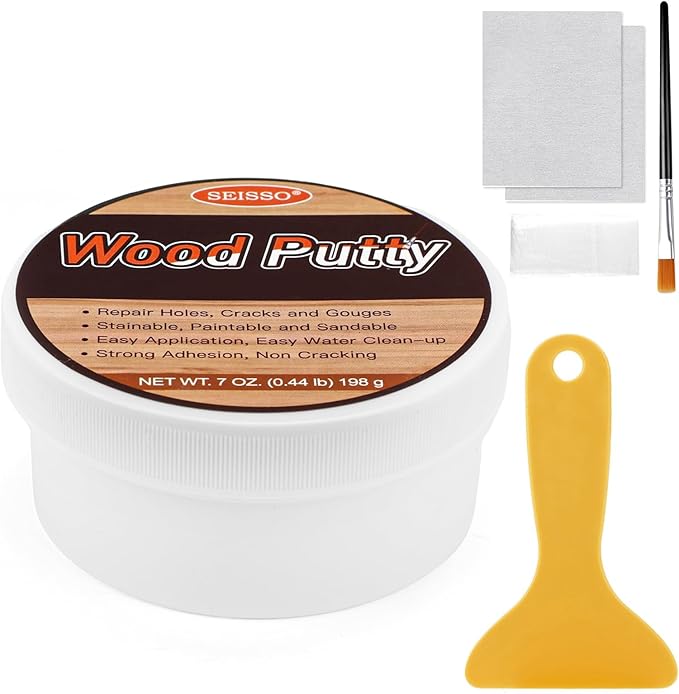
For example, the SEISSO Drywall Repair Kit includes:
- Wall putty and repair paste
- Multiple patch sizes
- Repair tape
- Scraper and sanding sponge
- Precision nozzle extenders
Everything is designed to work together, reducing guesswork.
3. Time Comparison: Which Is Faster?
Traditional Method
- Time spent buying tools: 30–60 minutes
- Learning curve: high
- Total repair time: longer due to trial and error
Repair Kit
- Ready to use immediately
- Clear, simple process
- Faster completion—even for beginners
👉 If you value convenience, a kit can cut your repair time nearly in half.
4. Cost Breakdown: Hidden Expenses Matter
At first glance, buying items separately may seem cheaper—but here’s what actually happens:
Item Individual Purchase
Putty / plaster ✔
Scraper ✔
Sandpaper ✔
Tape / patch ✔
Total Often higher
With a kit, you pay once and get everything included—no surprises.
5. Results: Which One Looks Better?
The biggest difference shows in the final result.
Traditional approach:
- Inconsistent materials
- Uneven texture
- Visible repair marks
Repair kit:
- Matching materials
- Smooth application
- Blends naturally into white walls
A high-quality repair paste ensures the wall looks like new after drying and sanding.
6. When Should You Use a Wall Repair Kit?
A repair kit is ideal for:
- Nail holes from pictures or shelves
- Cracks caused by temperature or humidity
- Scratches and dents from daily use
- Small to medium wall damage
- Quick home touch-ups before moving out
It’s especially useful if you want fast, clean, and stress-free repairs.
7. Who Is This Best For?
- Renters (avoid deposit deductions)
- Homeowners doing DIY maintenance
- Beginners with no prior experience
- Anyone who wants a quick fix without tools
8. Why More People Are Switching to Repair Kits
The trend is clear—DIY users are moving toward simple, all-in-one solutions.
Products like the SEISSO Drywall Repair Kit are designed to:
- Reduce effort
- Improve results
- Make wall repair accessible to everyone
Instead of learning complex techniques, you just follow a few straightforward steps.
9. Final Verdict: Which One Should You Choose?
If you’re experienced and already own tools, the traditional method might work.
But for most people, a wall repair kit is the smarter choice because it offers:
- Better efficiency
- Lower overall cost
- Easier application
- More professional results
Wall damage is inevitable—but fixing it doesn’t have to be complicated.
Choosing the right method can save you time, money, and frustration. If you’re looking for a simple, reliable solution, an all-in-one kit is the easiest way to get smooth, flawless walls again.