
Do you need to prime over spackle? In most visible wall repairs, yes. Primer seals the porous patch, helps the finish coat dry more evenly, and reduces the dull or shiny outline known as paint flashing. A tiny pinhole may disappear beneath a good self-priming paint, but a sanded patch, several nail holes, or any broad repair is safer to prime first.
Why spackle can show through paint
Drywall paper, old paint, and fresh spackle absorb liquid at different rates. When finish paint goes directly over all three, the repaired area may dry with a different colour or sheen even when the wall paint is an exact match. Primer creates a more uniform surface and also helps bind fine dust left after sanding.
When primer is strongly recommended
- The patch is wider than a small nail hole.
- You sanded through the surrounding paint or exposed drywall paper.
- The finish paint is satin, semi-gloss, gloss, or a strong colour.
- The wall receives side lighting that makes texture and sheen differences obvious.
- The repair used several coats of spackle or joint compound.
- The existing wall is stained, chalky, very old, or difficult to clean.
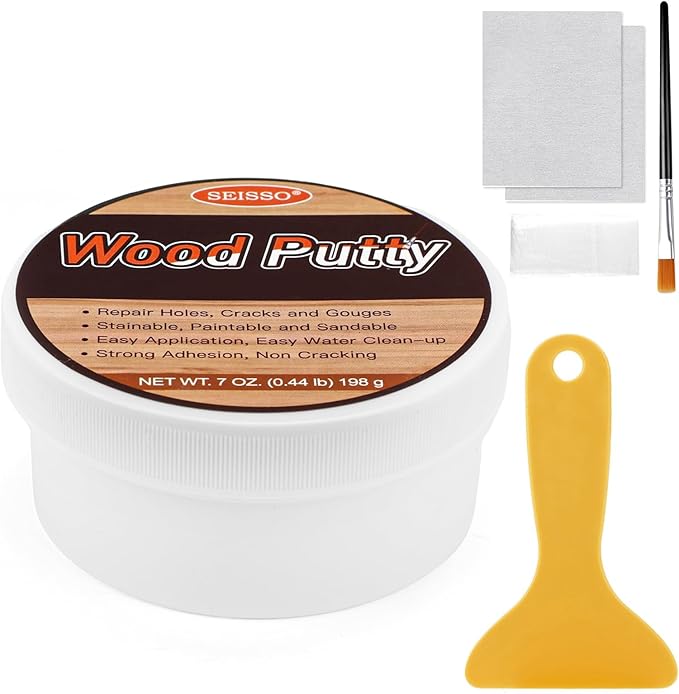
For common holes and cracks, the SEISSO wall repair collection includes repair materials and tools for preparing the surface before primer and paint.
Let the patch dry completely
Do not prime simply because the surface feels firm. Drying time changes with patch depth, product formula, temperature, and humidity. Follow the product directions and allow deeper repairs extra time. A patch that is still damp inside can shrink, soften, or trap moisture beneath the coating.
If timing is uncertain, review how long spackle takes to dry. Drying comes before sanding; sanding comes before dust removal; primer comes after the surface is clean.
How to prime over spackle step by step
- Inspect the repair. Fill low spots and remove ridges before coating.
- Sand lightly. Feather the patch edge into the surrounding wall instead of creating a hard circular boundary.
- Remove dust. Use a clean soft brush or slightly damp lint-free cloth, then allow the wall to dry.
- Spot-prime beyond the patch. Apply a thin coat over the repair and a small margin of surrounding paint.
- Feather the primer edge. Avoid a heavy ridge that will remain visible beneath the finish.
- Allow the primer to dry. Follow its label before applying wall paint.
- Apply the finish coat. Use the same roller nap, direction, and technique as the surrounding wall.
Spot-prime or prime the whole wall?
Spot priming is usually enough for a few isolated repairs on a wall in good condition. Prime the entire wall when repairs are widespread, the existing colour is changing dramatically, the surface has mixed porosity, or the old coating is stained or unreliable. A full coat produces the most uniform foundation, but it is unnecessary for every small repair.
Choosing a primer
A general interior drywall primer is suitable for many clean, dry spackle patches. A stain-blocking primer may be needed when water marks, smoke, tannins, or other discolouration could migrate through the paint. Match the primer to the wall, the finish paint, and the primer manufacturer’s instructions. If drywall paper is torn, seal the damaged paper before applying wet patching material so it does not bubble.
Common mistakes that make patches visible
- Painting before the filler is dry.
- Leaving sanding dust on the repair.
- Using a thick blob of primer only on the centre of the patch.
- Skipping primer beneath a glossy finish.
- Using a brush texture on a wall originally finished with a roller.
- Touching up with old paint that no longer matches the aged wall.
If the patch itself is not yet level, start with how to sand spackle smooth. Primer improves absorption and adhesion; it cannot hide a raised edge or deep hollow.
Frequently asked questions
Can paint-and-primer-in-one go directly over spackle?
It may cover a very small, well-prepared repair, but it does not eliminate the risk of flashing on a porous patch. Separate spot primer gives more predictable results.
How many coats of primer are needed?
One thin, even coat is often enough on a clean repair. Apply another only if the product instructions or the condition of the patch calls for it.
Why can I still see the patch after priming?
If you see a shadow or ridge rather than a sheen difference, the surface probably needs more feathering. Let the coating dry, correct the shape, remove dust, and prime again.
The reliable order
For a repair that blends in, use this order: fill, dry, sand, clean, prime, and paint. Priming adds one short step, but it prevents the most common reason a smooth spackle patch remains visible after the wall is painted.