
Knowing how to repair hairline cracks in drywall starts with finding out whether the crack is stable. A narrow cosmetic crack can often be filled and refinished, but a crack that widens, returns quickly, follows structural movement, or appears with sticking doors, moisture, or ceiling sagging deserves professional investigation.
Mark and monitor the crack first
Photograph the crack with a date and note its length. If it is changing, do not simply hide it. Repair leaks before touching the finish, and seek qualified advice for diagonal cracks from openings, repeated movement, bulging board, damaged framing, or possible electrical and plumbing concerns.
Prepare a firm edge
Protect the floor and wear suitable dust protection. Use a utility knife carefully to remove only loose paint, paper, and crumbly compound. A stable shallow groove gives fresh filler more contact than a dusty closed line. Avoid cutting deeply into unknown wall cavities.
Choose a compatible repair method
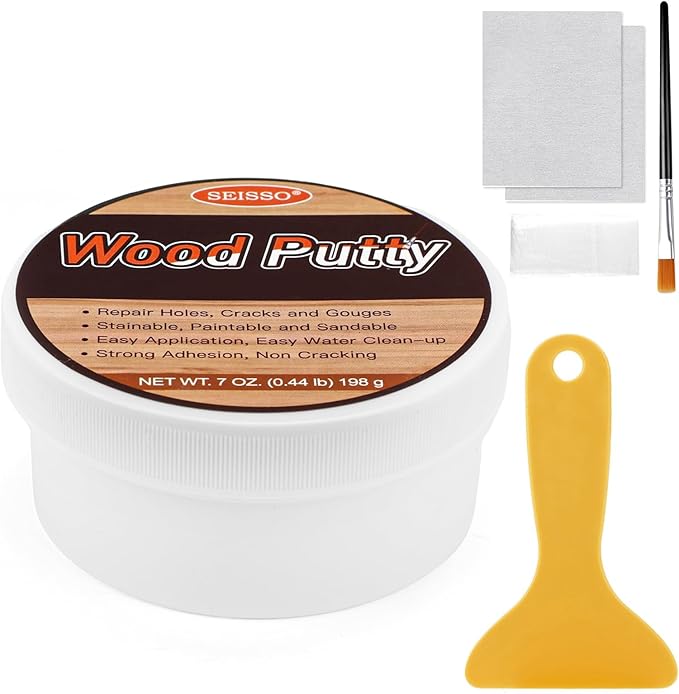
Very fine stable cracks may accept a flexible or lightweight repair compound, while recurring seams can require tape and joint compound. Follow the selected product's label for surface preparation, depth, drying, and sanding. Compare options in the SEISSO wall repair collection.
Fill in thin passes
Press compound across the crack rather than wiping only along it. Remove excess and allow the center to dry fully. A second thin coat is safer than one heavy ridge that shrinks or stays damp beneath the surface.
Feather beyond the line
Use a wider knife for the final skim coat, tapering both sides. Side lighting helps reveal ridges and low areas. Once completely dry, sand lightly with fine abrasive and stop before exposing surrounding drywall paper.
Prime and match the texture
Remove dust and spot-prime the porous repair. Match the existing roller nap, brush marks, color, and sheen when painting. Painting directly over filler can leave a dull stripe even when the wall color is correct.
Why cracks return
- Building or framing movement was not addressed
- Loose seam tape remains below the repair
- Moisture or temperature change continues
- The filler was applied over dust
- A rigid filler was used where movement persists
Frequently asked questions
Should I tape every hairline crack?
No. The correct method depends on location and movement. Cracks along a failed joint often need more than surface filler.
Can I paint over a crack without filling it?
Paint rarely bridges a crack durably and can make the line more visible later.
When should I call a professional?
Get help for widening, repeated, diagonal, wet, bulging, or numerous cracks, or when other movement signs appear.
Repair the cause before the surface
A lasting cosmetic repair needs a dry, stable wall, clean edges, thin coats, full drying, and primer. Continue monitoring afterward so returning movement is not ignored.